
-

-


Follow Us
-

 On Facebook
 On Flipboard
 On Twitter

Now that the regular season and conference tournaments are officially behind us, it's a good time to take a look at how West Virginia transfers performed this season at their new schools.
Tucker DeVries (Indiana):
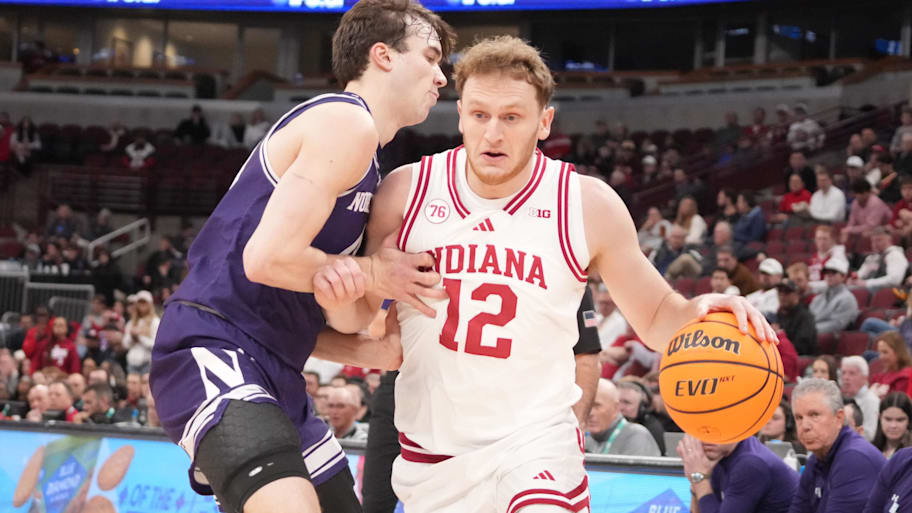
DeVries had an up-and-down season with some brutal shooting nights sprinkled in. He ended the year shooting just 39% from the floor and 33% from downtown, recording 13.7 points, 5.3 rebounds, and 3.3 assists per night. His career comes to an end without a return to the NCAA Tournament.
Haris Elezovic (Northeastern):
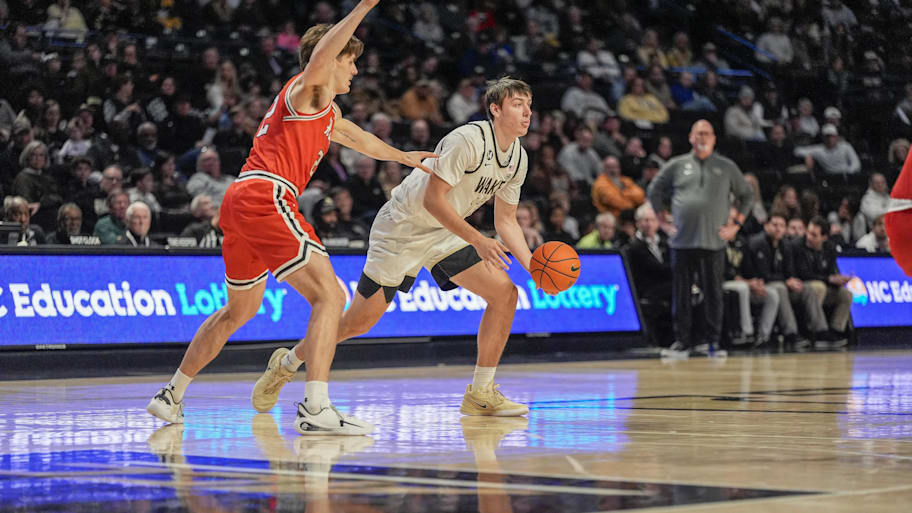
Elezovic saw minimal action in 17 games with the Huskies, but did have a slightly larger role, doubling his playing time from 4.2 minutes at WVU to eight minutes at Northeastern. He averaged 2.2 points and 1.5 rebounds per game.
Amani Hansberry (Virginia Tech):
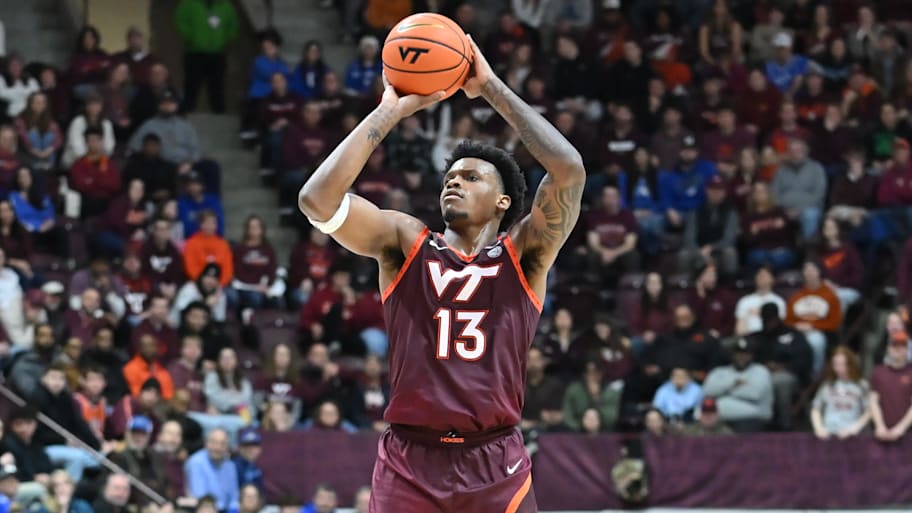
The season everyone expected Hansberry to have in what would have been in year two at West Virginia took place in Blacksburg. He became a more consistent offensive scoring threat, ending the season as the Hokies’ second-leading scorer (14.3 ppg). He upped his three-point shooting from 29% to 35% and his field goal percentage from 42% to 49%. He would have solved a lot of the Mountaineers’ interior issues this season.
Ofri Naveh (Oral Roberts):
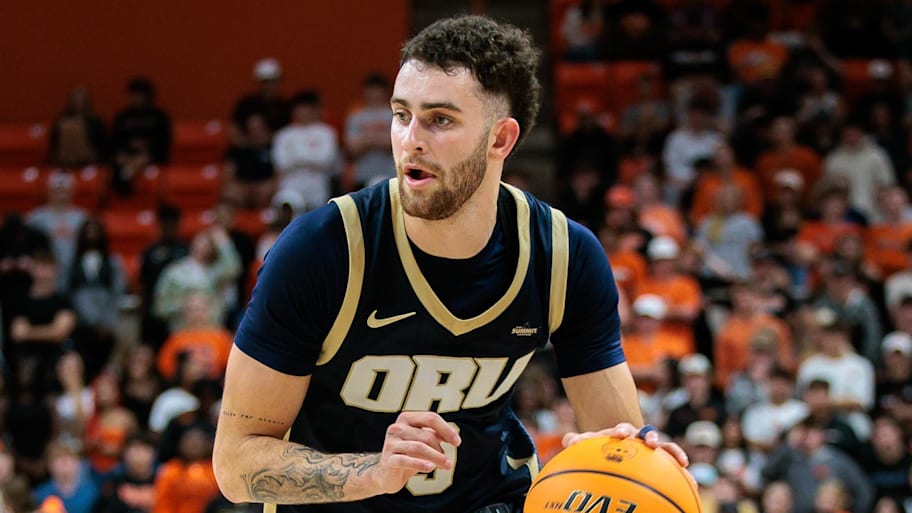
Ofri had a strong breakout season with the Golden Eagles in his first year as a starter. He shot 46.8% from the field and 29% from three, averaging 11.2 points, six rebounds, 1.8 assists, and 1.3 steals per game.
Jonathan Powell (North Carolina):
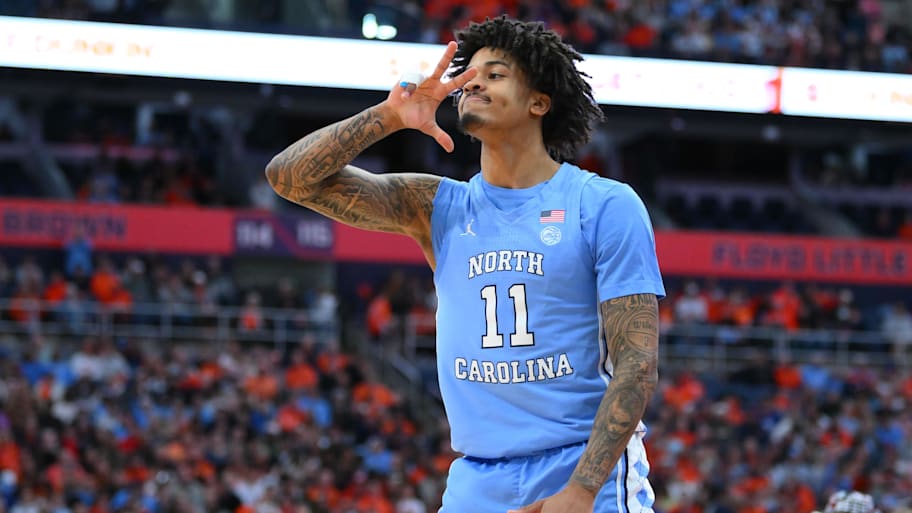
After starting 23 games for the Mountaineers as a true freshman, Powell took a backseat in Chapel Hill, appearing in 32 games and averaging 16.2 minutes per night with zero starts. He did shoot the ball a little better, going 39% from the field and 38% from three, albeit at a lower volume. He posted just 4.8 points and 2.3 boards per night.
Sencire Harris (Cincinnati):
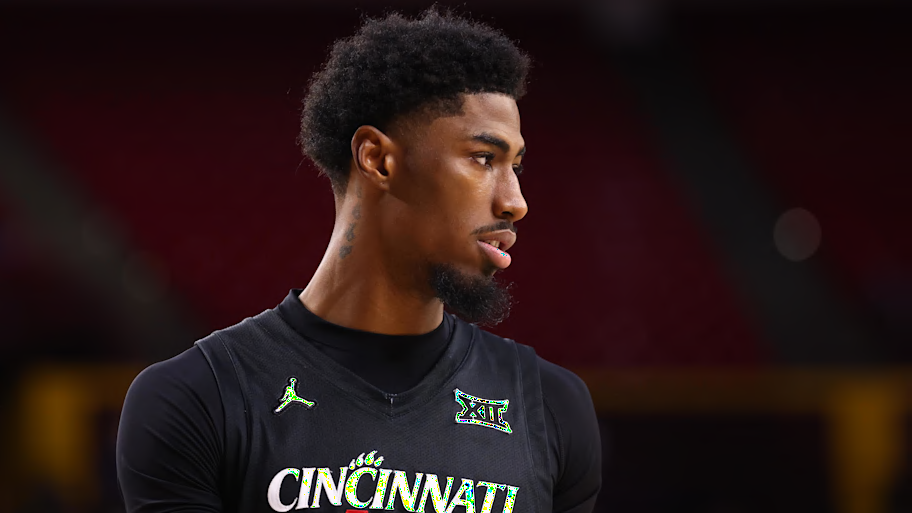
Surprisingly, Harris went from a full-time starter and defensive menace to a bench piece who saw just 16.9 minutes per game. Harris was not a great shooter at West Virginia, of course, and that remained the same this season, although he did improve his three-point shooting ever so slightly to 18.2%. He posted 5.7 points, 2.7 rebounds, and 1.2 steals.
KJ Tenner (Murray State):
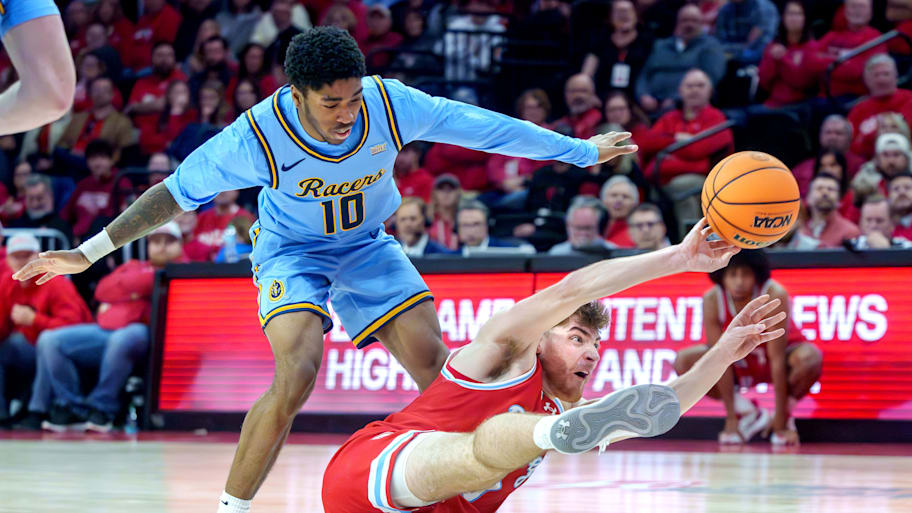
Tenner started six games this season for the Racers, but mainly served as the backup point guard. He averaged six points per game, but did have two 20-point outings in the final four games of the regular season, putting up 20 on Evansville and 21 on Belmont.
Jayden Stone (Missouri):
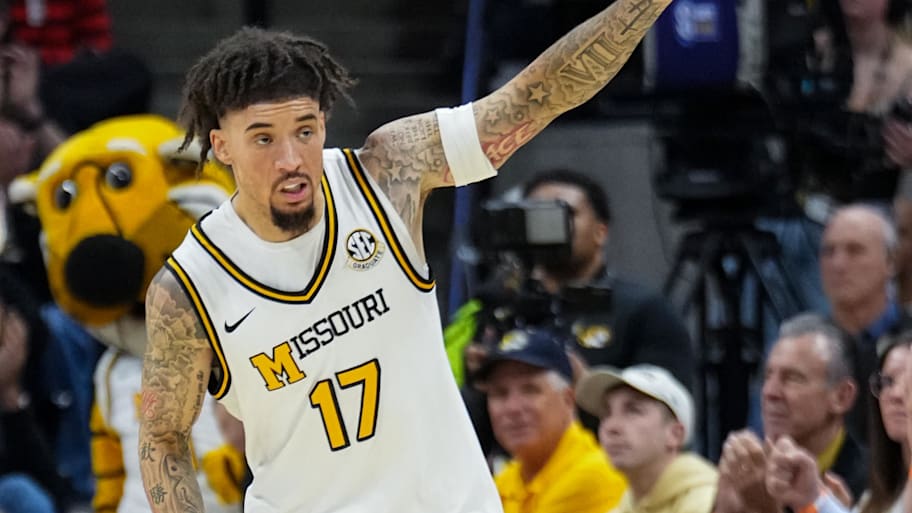
Stone played a key role in the Tigers making it to the NCAA Tournament, posting rock-solid shooting splits of 48.2%/38.2%/80.2%. He never wanted to leave WVU, and because of the scary injury he sustained a year ago and the coaching change, he never got to suit up for the Mountaineers in a regular season game. Stone put up 13.2 points and five rebounds per game this season.
More must-reads:
- UConn MBB has chance to further distance itself from recent national powers
- New York Mets get positive Juan Soto injury news
- The 'Most Elite Eight appearances' quiz
Breaking News
Trending News





Customize Your Newsletter
 +
+




Get the latest news and rumors, customized to your favorite sports and teams. Emailed daily. Always free!
PRIVACY POLICY COOKIE POLICY CONTACT US
ABOUT YARDBARKER TERMS OF SERVICE


By using this site, you agree to our Terms of Service and Privacy Policy.
This site is for entertainment purposes only.
There is no gambling offered on this site.
Gambling Problem? Call 1-800-Gambler.
