
-

-


Follow Us
-

 On Facebook
 On Flipboard
 On Twitter
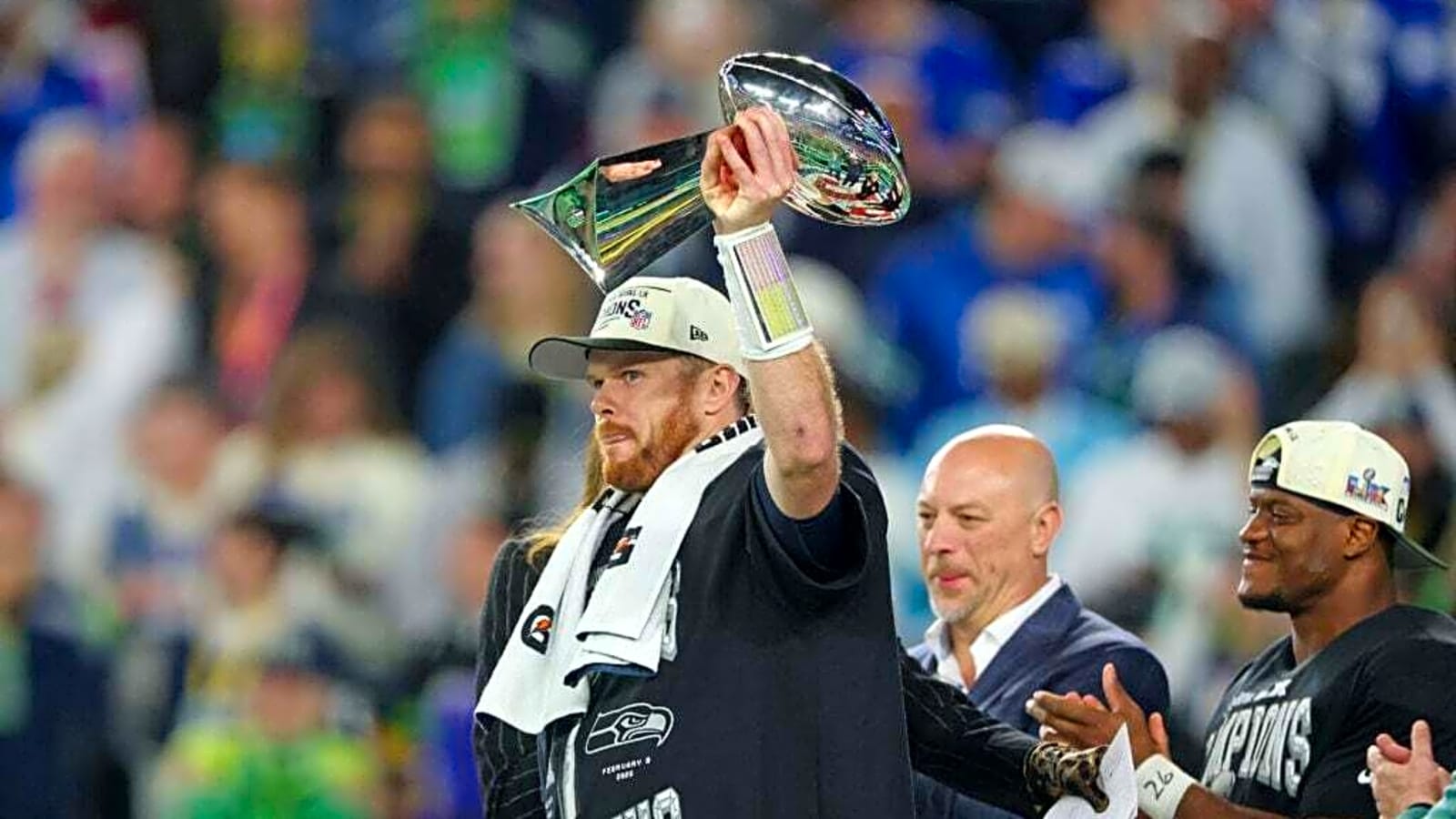
A former Cincinnati Bengals legend has called for action after California taxes left a Super Bowl winner out of pocket.
Former Bengals quarterback Boomer Esiason believes Sam Darnold’s financial hit following Super Bowl LX has highlighted a serious issue ahead of Super Bowl LXI.
The focus now turns to whether players would consider taking a stand if the NFL returns to California. The controversy centres on what happened to Darnold after Seattle’s championship victory in Santa Clara.

Bengals legend Boomer Esiason urges Super Bowl boycott in California
Sam Darnold received a $178,000 Super Bowl winner’s bonus after Seattle defeated New England 29-13 at Levi’s Stadium. California’s jock tax rules meant he owed an estimated $249,000 in state income tax, creating a net loss of approximately $71,000.
The tax applies because players accumulate duty days in the state where the game is played. Seattle spent roughly a week in California, allowing the state to tax a prorated portion of Darnold’s annual salary rather than just his bonus.
Former Bengals quarterback Boomer Esiason responded strongly when discussing the figures. He said, “If I’m the NFLPA, I’m like, ‘Hey, we’re not playing any more Super Bowls in California, we’re just not doing it.’”
Esiason explained that seven duty days in California triggered taxation against Darnold’s wider earnings. That calculation pushed the total owed close to a quarter of a million dollars.
Why Sam Darnold’s $249,000 California tax bill sparked backlash
California taxes visiting professional athletes based on duty days, which include practices, meetings, and media obligations. With a top marginal rate of 13.3 percent, the formula can substantially increase a player’s tax obligation.
In Darnold’s case, the estimated $249,000 bill exceeded his $178,000 Super Bowl payout. The difference left him roughly $71,000 out of pocket despite winning the Lombardi Trophy.
Esiason argued that a player’s crowning achievement should not result in a financial loss. His remarks have intensified debate about whether the NFL Players Association should challenge future Super Bowls held in California.
Super Bowl LXI is scheduled to take place in California, meaning the same tax structure would apply unless policy changes occur. Whether players act on Esiason’s proposal remains unclear, but the financial implications are now firmly under scrutiny.
More must-reads:
- Steelers' QB plans revealed if Aaron Rodgers doesn't return
- Travon Walker's contract extension could be long-term steal for Jaguars
- The 'Rushing-TD leaders by NFL team' quiz
Breaking News
Trending News





Customize Your Newsletter
 +
+




Get the latest news and rumors, customized to your favorite sports and teams. Emailed daily. Always free!
PRIVACY POLICY COOKIE POLICY CONTACT US
ABOUT YARDBARKER TERMS OF SERVICE


By using this site, you agree to our Terms of Service and Privacy Policy.
This site is for entertainment purposes only.
There is no gambling offered on this site.
Gambling Problem? Call 1-800-Gambler.
