
-

-


Follow Us
-

 On Facebook
 On Flipboard
 On Twitter
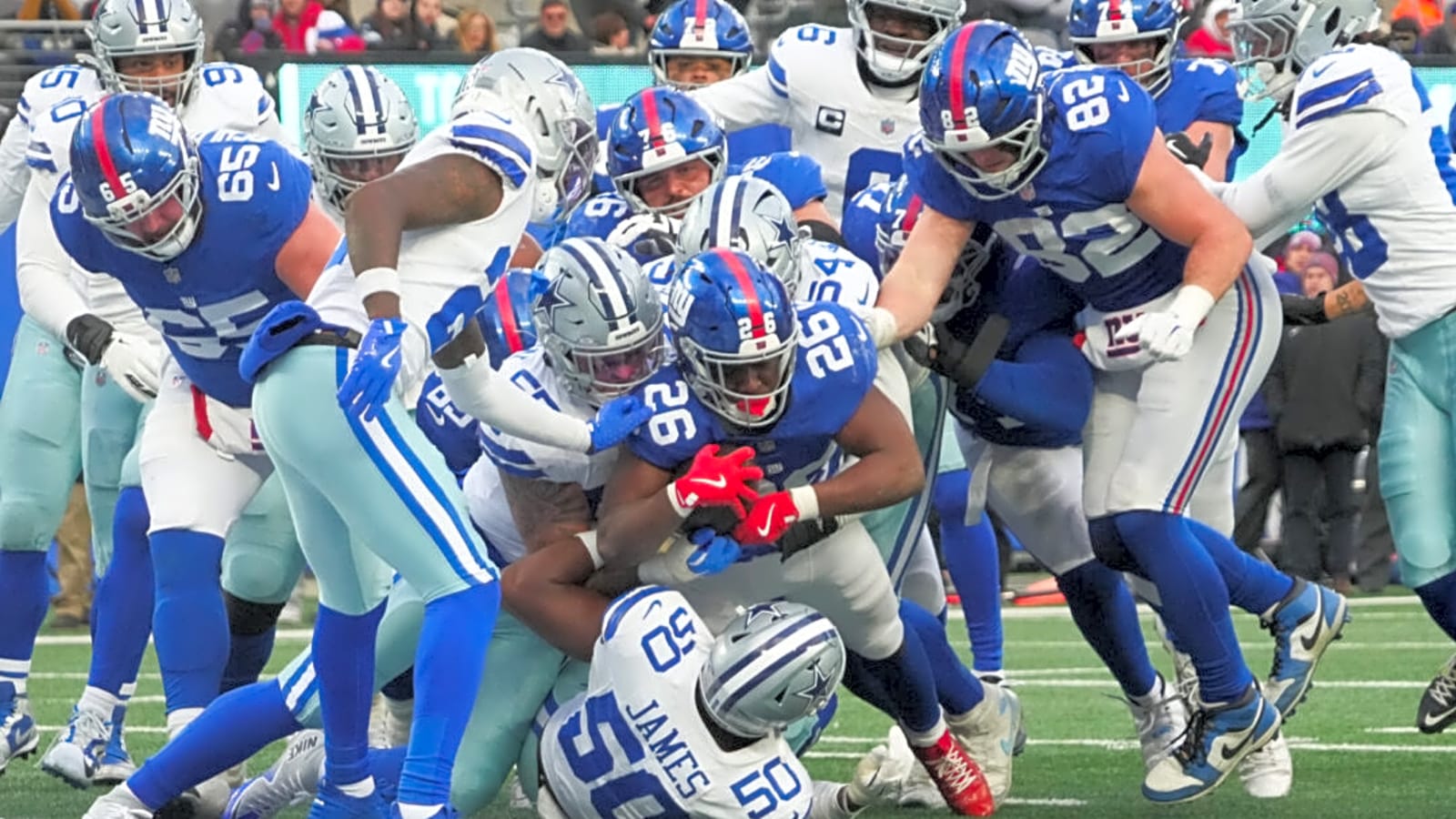
Dallas has abandoned a 14-year defensive identity, switching from its familiar 4-3 base to a 3-4 under new coordinator Christian Parker. The decision follows a 2025 season where the Cowboys allowed 511 points, the most in franchise history, and comes with the team more than $30M over the projected salary cap. Parker described the shift as building the defense around the players available, blending fronts and coverages for unpredictability. The move signals a high-stakes gamble that will test both scheme and personnel in ways fans have not seen in years.
A Break From Four-Man Tradition
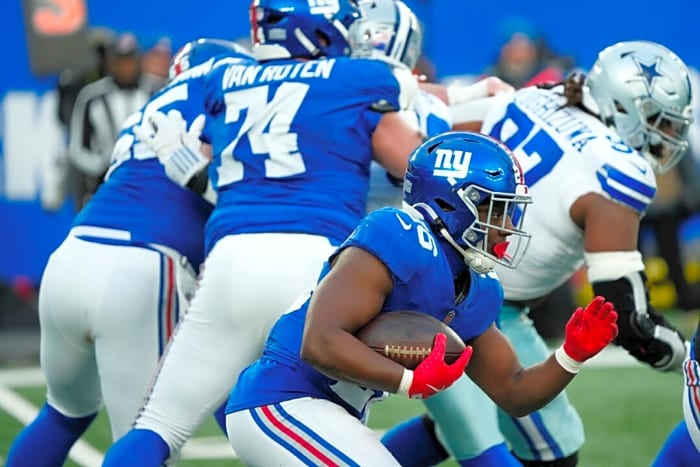
Dallas scrapped its long-standing 4-3 base in favor of a 3-4 under Christian Parker. NBC Sports noted this is the franchise’s first true 3-4 since Rob Ryan deployed it in 2012. The timing follows a 2025 season where the Cowboys allowed 511 points, the worst defensive mark in team history. Ownership signaled that continuity carries no value. This represents a direct pivot away from decades of identity and the standard that guided front-four alignment. The real challenge is whether this new foundation produces results on the field.
More Than Alignment

For 13 straight seasons, Dallas lined up in a 4-3 structure, a system dating back to Monte Kiffin in 2013. Parker’s outline integrates 4-3 spacing and 4-2-5 nickel packages within a 3-4 base. Personnel dictates roster construction, practice focus, and how offenses attack early downs. The shift alters linebackers, edge deployment, and defensive rotations. Philosophical recalibration is driving practice schedules and front-office decisions. This is a blueprint that touches every layer of the defense. Misalignment between scheme and roster could undo any intended progress.
Walking Away From Old Identity

Dallas’ defensive reputation was built on four-man fronts. Tom Landry’s Flex defense and Jimmy Johnson’s 1990s units relied on dominant linemen rather than exotic blitzes, powering all 5 Super Bowl victories. The modern 4-3 era produced none of that dominance, delivering mounting frustration instead. Recent seasons saw Dallas near the league bottom in points allowed despite maintaining the traditional front. The franchise acknowledged that the old identity no longer achieves results. History cannot protect the current roster from structural failures.
“You Build It Around The Players”

“When establishing a defensive framework, it’s crucial to consider the players at your disposal,” Parker said at his introductory press conference, according to the team’s official recap. He emphasized blending a 3-4 base with varied 4-3 alignments to maintain unpredictability. The philosophy targets efficiency rather than labels. Dallas’ interior talent already provides a platform. The challenge lies in edge usage and linebacker flexibility. Execution will reveal whether scheme adjustments translate to performance. The transition highlights that personnel application drives results more than adherence to a traditional front.
The 511-Point Collapse

Dallas surrendered 511 points in 2025 across 17 games. The defense ranked near the bottom in yards allowed, yards per play, and opponent passer rating. Meanwhile, the offense finished in the top 10 in yards and scoring, creating relentless scoreboard pressure. Every matchup exposed communication breakdowns and missed assignments. The collapse demanded systemic evaluation. Scheme alone cannot recover points lost due to fundamentals and alignment issues. Ownership responded with a complete structural overhaul. This sets the stage for Parker’s challenge to install both identity and discipline.
“Confidence Comes From Preparation”

“I think confidence comes from preparation,” Parker told ESPN earlier this month. He enters his first coordinator role after 7 NFL seasons and becomes Dallas’ fourth defensive play-caller in 4 years. That turnover followed Matt Eberflus’ dismissal just days after the 2025 season ended. Continuity has been absent, and culture often mirrors leadership stability. Preparation matters, but time and consistency are equally critical. The organization must decide if it can provide the runway necessary for a first-time coordinator to implement a lasting system.
Cap Pressure Shapes The Blueprint

Dallas is more than $30M over the projected salary cap, according to The Landry Hat. Sports Illustrated estimated the club could generate roughly $130M in space through aggressive restructures of Dak Prescott and CeeDee Lamb. Deferred charges increase pressure to perform now. Installing a new defensive base while managing future cap hits compresses the window for success. Personnel tailored to Parker’s system requires financial flexibility. Every schematic adjustment interacts with monetary constraints, forcing high-stakes decisions both on the field and in management offices.
“Adaptable Is The Most Critical Aspect”
“I believe that being adaptable is the most critical aspect of our strategy,” Parker said during his first media availability, according to the team transcript. On-field adaptability includes varied fronts and coverage disguises. Organizationally, Dallas has cycled coordinators while structural flaws persisted. Flexibility in execution must overcome rigidity in roster construction and cap planning. If the scheme shifts but the roster remains constrained, performance suffers. Success depends on cohesion between philosophical intent and practical deployment. The tension between flexibility and limitation will define whether this gamble succeeds.
Four Coordinators In Four Years
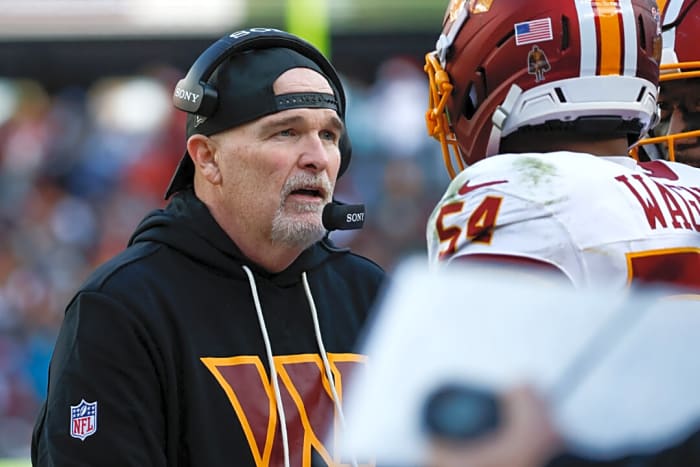
Dan Quinn, Mike Zimmer, Matt Eberflus, and now Parker have led Dallas’ defense since 2020. Each coordinator introduced coverage tweaks or pressure variations, yet points allowed remained high. Frequent changes disrupt terminology continuity and stunt young defender development. The defense’s performance has become a reflection of instability rather than schematics. If the 3-4 does not persist for several seasons, the blueprint change risks becoming another surface adjustment with no lasting impact. Organizational patience will be tested alongside on-field execution.
A Calculated Risk
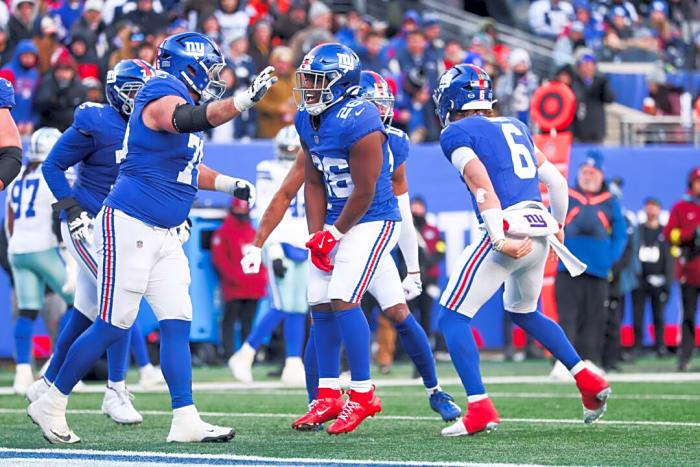
Dallas is betting that a 34-year-old first-time coordinator, a 3-4 shift, and a tight cap environment can convert the league’s worst defense into a competent unit before the offensive nucleus ages out. National analysis framed the move as a necessary gamble with upside due to established front-seven talent. Execution, back-seven development, and cap management will determine the outcome. The season’s scoreboard will measure results more accurately than press releases. This is a measured bet with high stakes and little margin for error.
Sources:
Cowboys to play a 3-4 base defense for first time since 2012. NBC Sports, February 19 2026
Christian Parker outlines vision for Cowboys’ defense in 2026 and beyond. Dallas Cowboys, February 19 2026
Who is Christian Parker, the Cowboys’ new defensive coordinator? ESPN, February 9 2026
Cowboys Defense Makes Undesirable Franchise History in 511-Point Season. Sports Illustrated, January 3 2026
Cowboys’ top salary cap casualty is painfully obvious (and it’s not Kenny Clark). The Landry Hat, February 17 2026
More must-reads:
- Travon Walker's contract extension could be long-term steal for Jaguars
- Insider shares notable update on Shedeur Sanders' status with Browns
- The 'Rushing-TD leaders by NFL team' quiz
Breaking News
Trending News







Customize Your Newsletter
 +
+




Get the latest news and rumors, customized to your favorite sports and teams. Emailed daily. Always free!
PRIVACY POLICY COOKIE POLICY CONTACT US
ABOUT YARDBARKER TERMS OF SERVICE


By using this site, you agree to our Terms of Service and Privacy Policy.
This site is for entertainment purposes only.
There is no gambling offered on this site.
Gambling Problem? Call 1-800-Gambler.
