
-

-


Follow Us
-

 On Facebook
 On Flipboard
 On Twitter

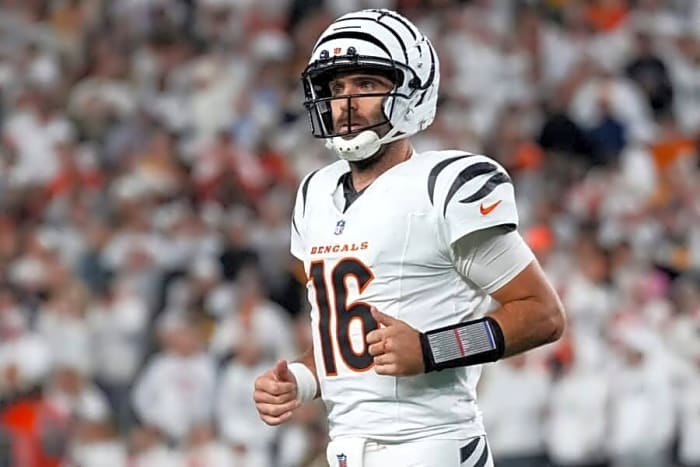
Joe Flacco, the 41-year-old Cincinnati Bengals backup quarterback, voiced strong criticism about how roughing the passer calls have changed professional football. During Super Bowl week, he sat down with ESPN’s Kevin Clark and delivered sharp takes about penalties that protect quarterbacks from physical contact.
Flacco doesn’t buy into the current approach. He made that clear when discussing helmet slaps and body weight penalties. The veteran said such calls “honestly annoys me because it affects games in a negative way,” pointing to how officials can choose whether to throw flags on similar plays.
His comments arrived days after earning his first Pro Bowl selection in an 18-year career Pro Football Network, which came as an AFC replacement. Flacco told Clark on the “This is Football” podcast that younger players now look at him strangely when he talks about accepting harder hits as part of the game.
I asked Joe Flacco if the NFL has a quarterback development problem and he launched an impassioned take on how personal calls have changed games and hurt the position and sport.
“We signed up to get hurt, you might not like that but it’s what we kinda did.” Watch: pic.twitter.com/51fkGnMnGY
— Kevin Clark (@bykevinclark) February 4, 2026
Flacco Questions How Modern Officiating Standards Apply to Contact
The Baltimore Ravens’ former Super Bowl MVP wasn’t subtle about which penalties bother him most.
“I don’t think it should be roughing the passer when they land on us,” Flacco told Clark. “I don’t think being slapped in the head should be roughing the passer.”
He went further, explaining how defensive players now face steep fines for what used to be routine contact. That financial pressure, according to Flacco, has altered how defenders approach quarterbacks and receivers. It’s changed technique and aggression across the field.
His position puts him at odds with where the sport is heading. The NFL has tightened enforcement to reduce long-term brain damage risks. Medical evidence drove those changes, even if veterans like Flacco believe the league overcorrected.
That tension won’t get resolved soon, but it highlights an ongoing question about how physical football can remain while protecting those who play it.
More must-reads:
- Five NFL Draft prospects who improved their stock with strong pro days
- Cowboys have a dangerous plan for George Pickens' contract
- The 'Rushing-TD leaders by NFL team' quiz
Breaking News
Trending News



Customize Your Newsletter
 +
+

Get the latest news and rumors, customized to your favorite sports and teams. Emailed daily. Always free!
PRIVACY POLICY COOKIE POLICY CONTACT US
ABOUT YARDBARKER TERMS OF SERVICE


By using this site, you agree to our Terms of Service and Privacy Policy.
This site is for entertainment purposes only.
There is no gambling offered on this site.
Gambling Problem? Call 1-800-Gambler.
