
-

-


Follow Us
-

 On Facebook
 On Flipboard
 On Twitter
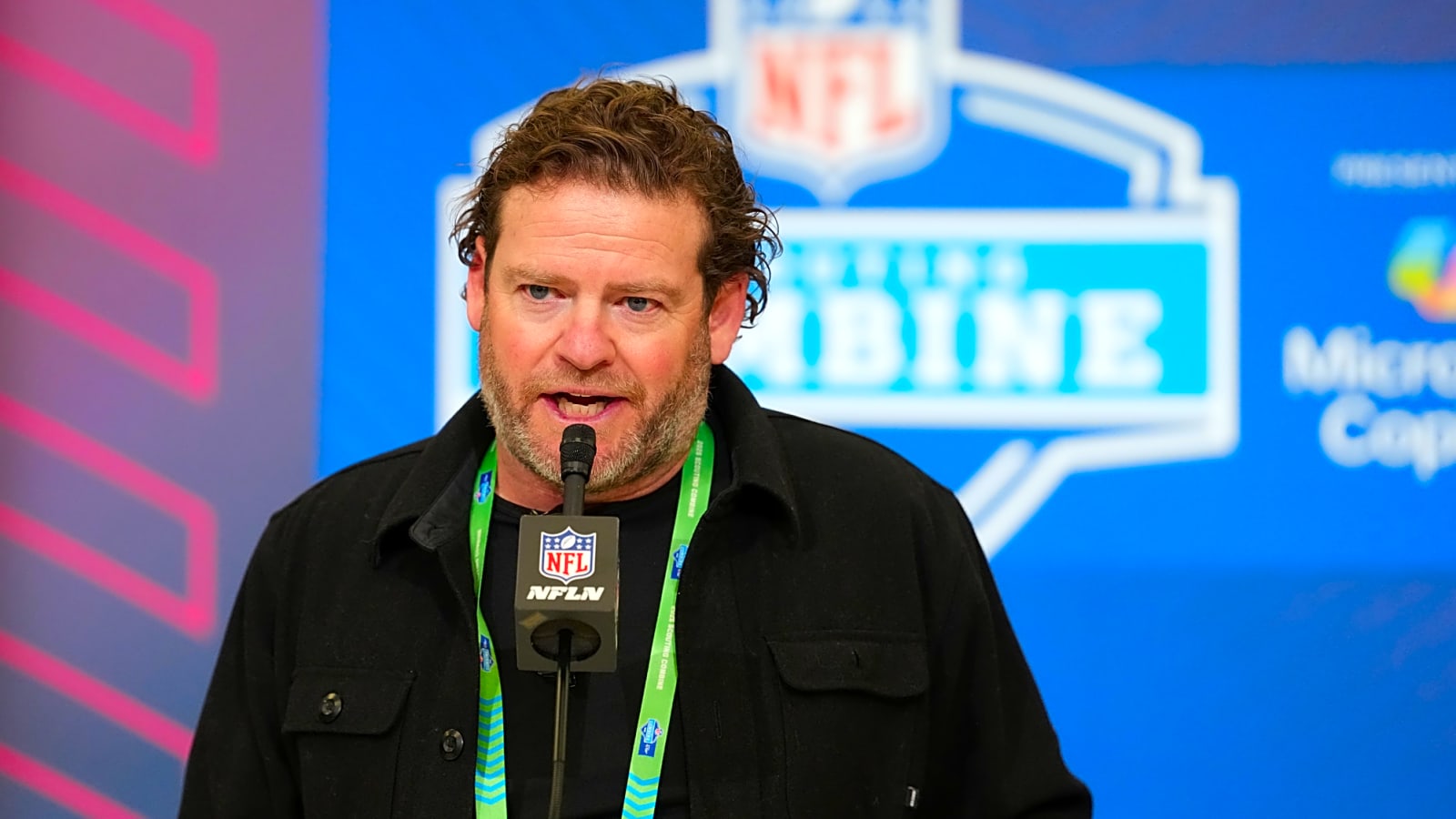
SEATTLE, WA — The NFL’s $301.2 million salary cap is no longer a level playing field. Seattle Seahawks General Manager John Schneider confirmed Thursday that Washington’s newly passed 9.9% “millionaires tax” has already triggered a wave of warnings from agents. The advantage of a tax-free state is gone, and it could change how every team in the league builds its roster.
The Death of the No-Tax Advantage
For years, teams in Washington, Florida, and Texas held a massive edge in free agency. They offered players more “take-home” pay on the same contract value. That era ended this week. Washington’s legislature approved a 9.9% tax on income exceeding $1 million. Since the 2026 NFL minimum salary for a one-year veteran is $1.005 million, almost every player on the Seahawks roster now faces a massive tax bill.
Schneider didn’t hide his frustration. He noted that agents began reaching out the moment the news broke. The competitive edge that helped Seattle land stars for decades has evaporated. While the tax doesn’t technically hit the books until 2028, the financial planning for long-term contracts starts today. Players are looking at the math, and the math says Seattle just got 10% more expensive.
The $40 Million California Gap
The situation is even more dire in California. Teams like the 49ers, Rams, and Chargers deal with a 13.3% state income tax. If the NFL adjusted the cap to account for these variations, the landscape would shift overnight. Under the current $301.2 million cap, a 13.3% bump would give the 49ers a spending limit of $341.2 million.
The league office has resisted this change for years. Critics argue that a variable cap would reward states for high taxes while punishing those with lower costs of living. Yet, as player salaries skyrocket, the “real” value of a contract is becoming the only metric that matters in the locker room. You can feel the shift in the air at the league meetings; the owners of high-tax teams are tired of losing talent over a tax return.
“I had a bunch of agents texting me the other day like, ‘Hey, can’t use that anymore, buddy.’ It’s been a huge attraction, especially competing with the California teams. It’s going to sting, from a recruiting standpoint. There’s no question about it.”
— John Schneider, Seahawks General Manager
Playoff Implications / What’s Next
The NFL finds itself at a crossroads. If the league maintains a hard, uniform cap, teams in high-tax states will continue to see their “buying power” diminished compared to the Dolphins or Cowboys. We are already seeing the fallout. The Seahawks, usually aggressive in the first week of free agency, have been unusually quiet, signing only three external free agents to one-year deals. They are hoarding cash to pay for extensions for stars like Jaxon Smith-Njigba, but even those negotiations are now clouded by the 9.9% hit.
Expect this to be the primary topic at the upcoming Spring League Meetings. If the NFL doesn’t find a way to equalize the take-home pay, we could see a talent migration toward the Sun Belt that the league hasn’t seen since the dawn of free agency. The rainy days in Seattle just got a lot more expensive.
More must-reads:
- Five teams that should consider NFL Draft trades
- Insider shares notable update on Shedeur Sanders' status with Browns
- The 'Rushing-TD leaders by NFL team' quiz
Breaking News
Trending News








Customize Your Newsletter
 +
+



Get the latest news and rumors, customized to your favorite sports and teams. Emailed daily. Always free!
PRIVACY POLICY COOKIE POLICY CONTACT US
ABOUT YARDBARKER TERMS OF SERVICE


By using this site, you agree to our Terms of Service and Privacy Policy.
This site is for entertainment purposes only.
There is no gambling offered on this site.
Gambling Problem? Call 1-800-Gambler.
